علامات الحمل بولد: أعراض شائعة وطرق معرفة جنس الجنين
Signs of Pregnancy With a Boy: Can You Tell Your Baby’s Sex From Pregnancy Symptoms?
Many expectant mothers wonder about the signs of pregnancy with a boy, especially because there are many traditional beliefs about how pregnancy symptoms may differ depending on the baby’s sex.
But can morning sickness, belly shape, food cravings, or the baby’s heart rate really tell you whether you are having a boy?
The short answer is no. While several commonly discussed signs are associated with carrying a boy, there is no pregnancy symptom that can reliably determine the baby’s sex on its own.
Commonly Believed Signs of Pregnancy With a Boy
1. Less Morning Sickness
One popular belief is that women carrying a boy experience less morning sickness than women carrying a girl.
However, pregnancy nausea and vomiting vary considerably between women and even between different pregnancies. The severity of morning sickness cannot reliably predict the baby’s sex.
2. Carrying Low or Having a Different Belly Shape
Some people believe that carrying the baby lower or having a more forward-projecting belly is one of the signs of pregnancy with a boy.
In reality, the appearance of a pregnant belly depends on several factors, including the baby’s position, the mother’s body shape, abdominal muscle tone, and whether she has been pregnant before.
3. Craving Salty Foods
Another common belief is that cravings for salty or savory foods may indicate a baby boy.
There is currently no reliable scientific evidence showing that specific food cravings can determine the sex of a baby. Pregnancy cravings can be influenced by hormonal changes, appetite, dietary habits, and individual preferences.
4. Baby’s Heart Rate
A widely repeated myth suggests that a lower fetal heart rate means the baby is a boy, while a higher heart rate means the baby is a girl.
However, fetal heart rate changes throughout pregnancy and can be affected by gestational age and fetal activity. It should not be used as a reliable method for determining sex.
5. Skin and Hair Changes
Some traditional beliefs suggest that carrying a boy may result in clearer skin or thicker, healthier hair.
Pregnancy-related changes in the skin and hair are mainly associated with hormonal changes and individual responses to pregnancy. They do not provide a reliable indication of the baby’s sex.
How Can You Find Out Your Baby’s Sex More Accurately?
Medical testing is much more reliable than pregnancy symptoms or traditional beliefs.
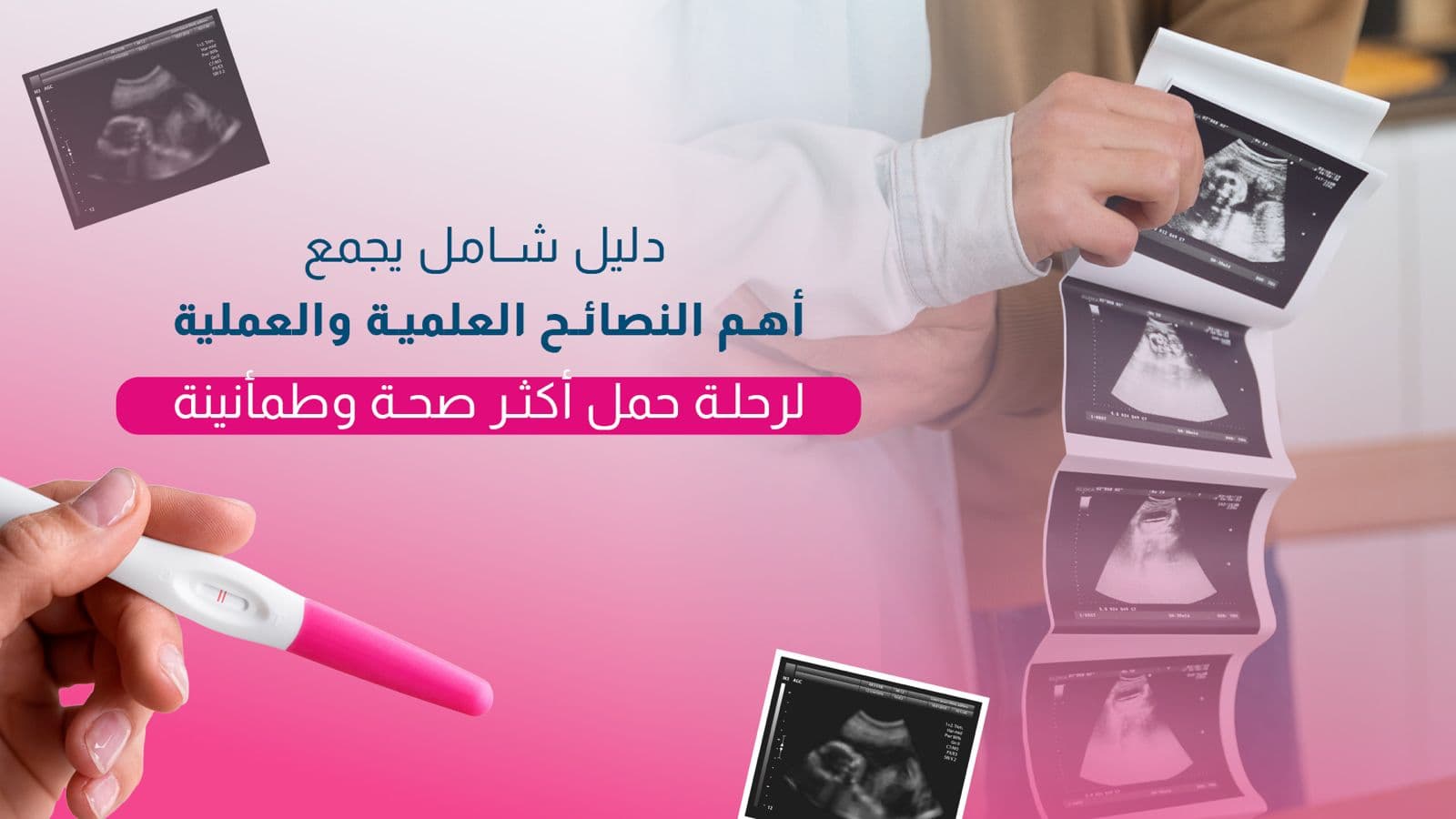
An ultrasound scan may allow a healthcare professional to identify the baby’s sex during pregnancy, depending on gestational age, fetal position, and image quality.
Certain prenatal blood tests, such as non-invasive prenatal testing (NIPT), can analyze fetal DNA circulating in the mother’s blood and may provide information about the sex chromosomes, depending on the test and local medical guidelines.
Do Pregnancy Symptoms Differ When Carrying a Boy?
Pregnancy symptoms can vary significantly from one woman to another. They can also be different from one pregnancy to the next in the same woman.
For this reason, symptoms such as nausea, food cravings, changes in the belly, skin changes, or fetal heart rate should not be considered proof that you are carrying a boy.
Conclusion
There are many commonly discussed signs of pregnancy with a boy, including less morning sickness, carrying low, craving salty foods, and a lower fetal heart rate. However, these signs are not scientifically reliable methods for determining a baby’s sex.
If you want to know your baby’s sex with greater accuracy, speak with your healthcare provider about appropriate options such as an ultrasound or prenatal genetic testing.